
Verdict: Strip every field your prompt does not strictly need before it reaches the model, and never log or retain the raw payload. The first paper on operationalizing data minimization for privacy-preserving LLM prompting was submitted to arXiv on 4 Oct 2025, and it frames minimization as the control that makes regulated prompting viable. If you send PHI or PII to a model, data minimization is your first line of defense.
Key takeaways
- Remove unnecessary fields before the prompt leaves your network.
- Mask or tokenize PHI and PII per-request; do not log the raw payload.
- Keep retention windows short and document exactly what the model needs.
- Stateless, region-resident routing beats retroactive deletion.
1. Why is data minimization critical for LLMs in regulated industries?
Regulated data does not stop being regulated because it sits inside a prompt. If you are subject to HIPAA, a business associate agreement (BAA) only covers specific routes—on our platform, that is the Azure routes—and GDPR or nFADP still makes you the controller of whatever you send. Sending a full clinical record when the model only needs a diagnosis code creates exposure you cannot retract after inference. The paper Operationalizing Data Minimization for Privacy-Preserving LLM Prompting, submitted 4 Oct 2025, frames minimization as the prerequisite that makes regulated prompting possible at all.
We have seen teams treat the LLM as a black-box sink and dump entire patient charts into the context window. That is a compliance failure waiting to happen. Data minimization forces you to define, per request, what the model actually needs to answer the question. It also shrinks your audit surface: less data in means fewer records to prove you protected. For a deeper look at how this fits into broader obligations, see our guide on LLM Data Governance Frameworks: A 2026 Guide to NIST, ISO, and the EU AI Act.
2. How do I reduce LLM input data volume without breaking the prompt?
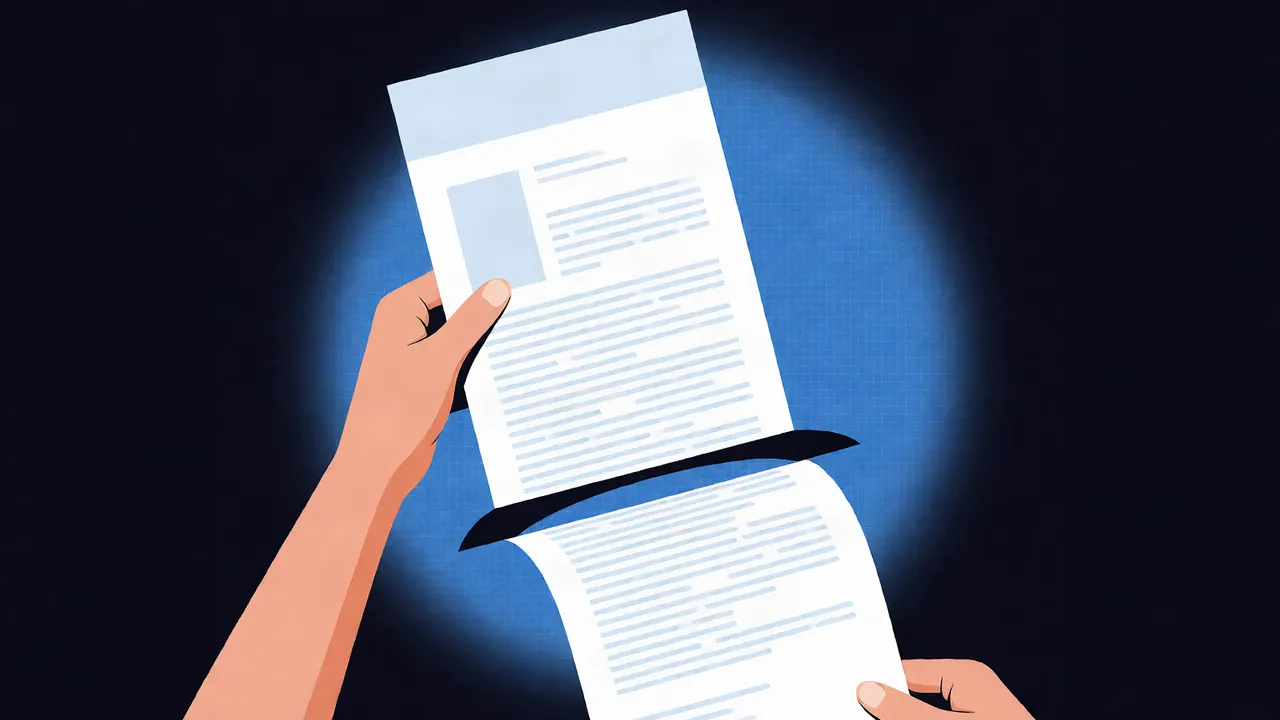
Project the input to the minimum schema the model needs for that specific task. If you are asking for a summary, send the relevant paragraph, not the entire chart. Strip metadata, timestamps, internal IDs, and free-text fields that carry no signal for the inference you are buying.
| Technique | What it removes | Best for | Trade-off |
|---|---|---|---|
| Field-level filtering | Irrelevant JSON keys | Structured records | Can drop context the model needs |
| Pre-pass summarization | Redundant narrative | Long documents | Adds latency and a second model call |
| Truncation | Tail tokens | Fixed context windows | Can cut the exact fact you need |
| Pseudonymization | Direct identifiers | PHI/PII before model | Requires a re-identification map |
The right choice depends on your data shape. For structured HL7 or FHIR extracts, field-level filtering is usually enough. For unstructured clinical notes, you may need a pre-pass summarization step or targeted redaction. We cover the trade-offs between redaction, pseudonymization, and tokenization in Choosing the Right LLM De-Identification Strategy: Redaction, Pseudonymization, or Tokenization?.
3. How do I implement per-request PHI and PII filtering?
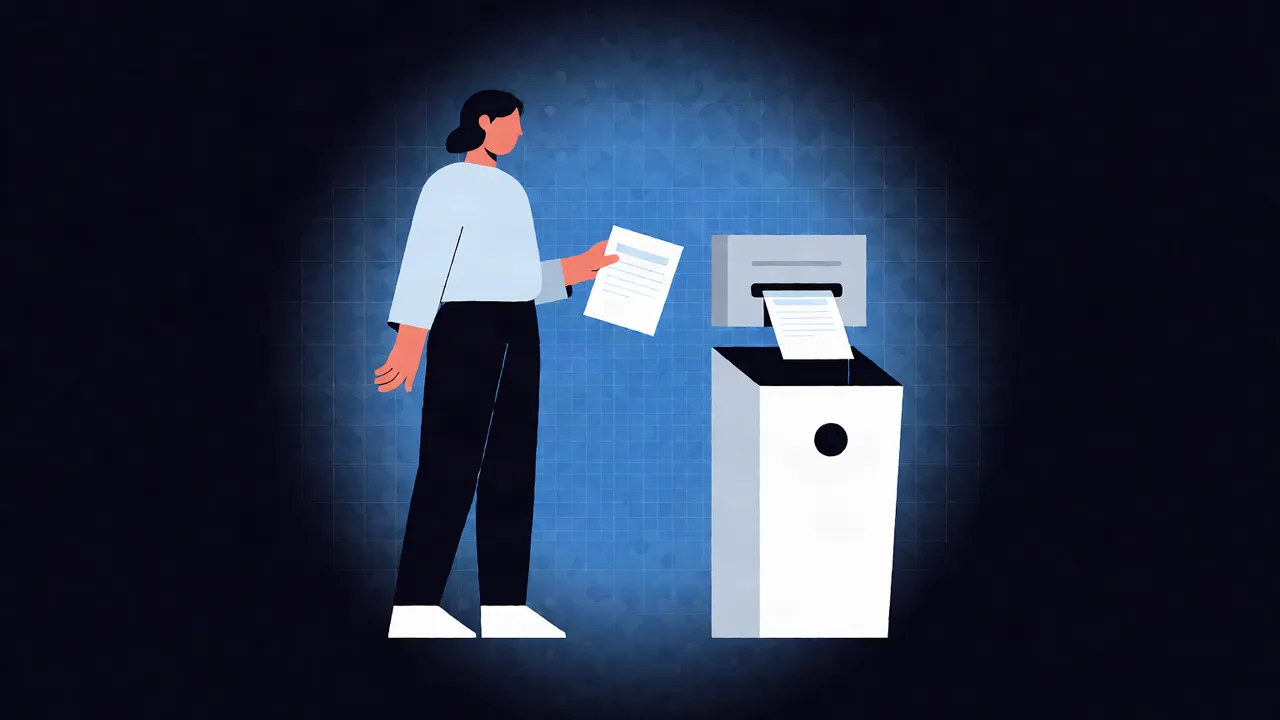
Run a filter gate before the LLM call. Replace PHI and PII with tokens or redactions, forward only the minimized payload, and do not write the original request to your application logs. Return the model response, detokenize if your workflow requires it, then discard the plaintext.
Here is what the request looks like in practice:
curl -X POST https://api.cloudsitus.com/v1/llm/invoke \
 -H "Content-Type: application/json" \
 -H "X-PHI-Gate: enforce" \
 -H "X-Region: us-east-1" \
 -d '{
 "prompt": "Patient [PHI_TOKEN_7] presents with elevated troponin levels.",
 "minimize": true,
 "fields": ["symptoms", "vitals"]
 }'
The headers matter. X-PHI-Gate: enforce tells the gateway to apply the minimization policy for this request. X-Region pins the call to a specific residency zone. What gets logged: request ID, timestamp, model, region, and token count. What does not get logged: the prompt body, the response body, or any unmasked identifiers. If you need to reverse the mask later, keep the token mapping separate and short-lived. We detail that approach in Reversible PHI Masking for LLMs: A Technical Guide to Balancing Utility and Privacy.
4. What should my LLM data retention policy look like?
Keep the audit trail, not the content. Retain request metadata—who called, when, which model, which region, token count—and delete the prompt and response bodies after the shortest window your business allows. For regulated data, I would target under 30 days, and I would explicitly exclude raw prompts from any model training set.
Use this checklist:
- ☐ Retention schedule written and approved by counsel
- ☐ Prompt and response bodies excluded from training sets
- ☐ Audit log stores metadata only
- ☐ Automatic deletion job tested quarterly
If you cannot produce an audit record showing what was minimized and when it was deleted, you will struggle to demonstrate compliance. See our technical guide on Implementing Robust Audit Trails for LLM API Calls in Regulated Environments.
5. Should I architect for stateless, ephemeral LLM processing?
Yes. Stateless means the model has no memory of prior requests, and ephemeral means the payload disappears after the response. That is the strongest technical argument for minimization: if nothing is stored, there is nothing to breach or subpoena.
Pair this with region residency so PHI never leaves the jurisdiction where you collected it. For HIPAA workloads, route through the Azure regions covered by our BAA. For GDPR or nFADP workloads, route through EU or Swiss regions. I am not your lawyer—ask your counsel which regime applies to your data—but the architecture should make the correct route the default route. For more on how we think about hybrid placement, see Architecting for LLM Data Residency: A Hybrid Cloud Approach for Global Compliance.
6. Which tools automate data minimization in LLM workflows?
Use the language you are already running. Open-source NER and PII detection libraries work for a first pass, but you still need a policy layer that decides what stays and what goes based on the task. Do not buy a new platform just to strip JSON keys; build the filter into your existing gateway or middleware. If you need multi-region key rotation and managed redaction at scale, a hyperscaler route with a BAA may be cheaper than maintaining it yourself.
7. How do I measure and audit data minimization effectiveness?
Measure the delta between raw input size and minimized input size. Track the number of PHI or PII hits blocked per week. Verify that your audit trail contains metadata only and that no raw payload appears in logs or training data. The full HTML version of the arXiv paper walks through the problem formulation and why measurable reduction matters. If you cannot show an auditor exactly what was removed from a given request, you have not proven minimization.
8. Should I build or buy data minimization for LLMs?
Build the filter logic yourself when you have one regulated route, stable PHI definitions, and an engineering team that can own the gate. Buy or use a hyperscaler directly when you need multi-region residency, managed key rotation, and BAA coverage without operating the infrastructure yourself.
| Situation | Build | Buy / hyperscaler |
|---|---|---|
| Single region, one regulated data type | Yes | Overkill |
| Multiple regions, HIPAA + GDPR | Hard to maintain | Better fit |
| No in-house security team | Risky | Better fit |
| Need full control over masking logic | Yes | Limited customization |
If you want to see how per-request PHI routing and audit trails work in practice, take a look at our platform at CloudSitus.
FAQ
How do I reduce my LLM data footprint?
Start by removing every field the model does not need for that specific inference, then mask or tokenize identifiers before the prompt leaves your network.
What is PHI data minimization for LLMs?
It is the practice of sending only the minimum protected health information required for a model to complete its task, and discarding or masking the rest before and after inference.
What is PII data minimization for LLMs?
It is the same principle applied to personally identifiable information: strip names, emails, IDs, and other direct identifiers from prompts unless the task strictly requires them.
Is data minimization a legal requirement or a technical control?
It is both. Regulatory regimes such as GDPR and HIPAA require you to limit data to what is necessary, and technical minimization is how you demonstrate that in an LLM workflow. Ask your counsel for the exact standard that applies to you.
How does data lifecycle management work for LLMs?
It covers the full path: collection, minimization at the prompt gate, short-lived inference, logging metadata only, and automatic deletion of prompt and response bodies after retention expires.